Contents, the claim paperwork, and putting the house back
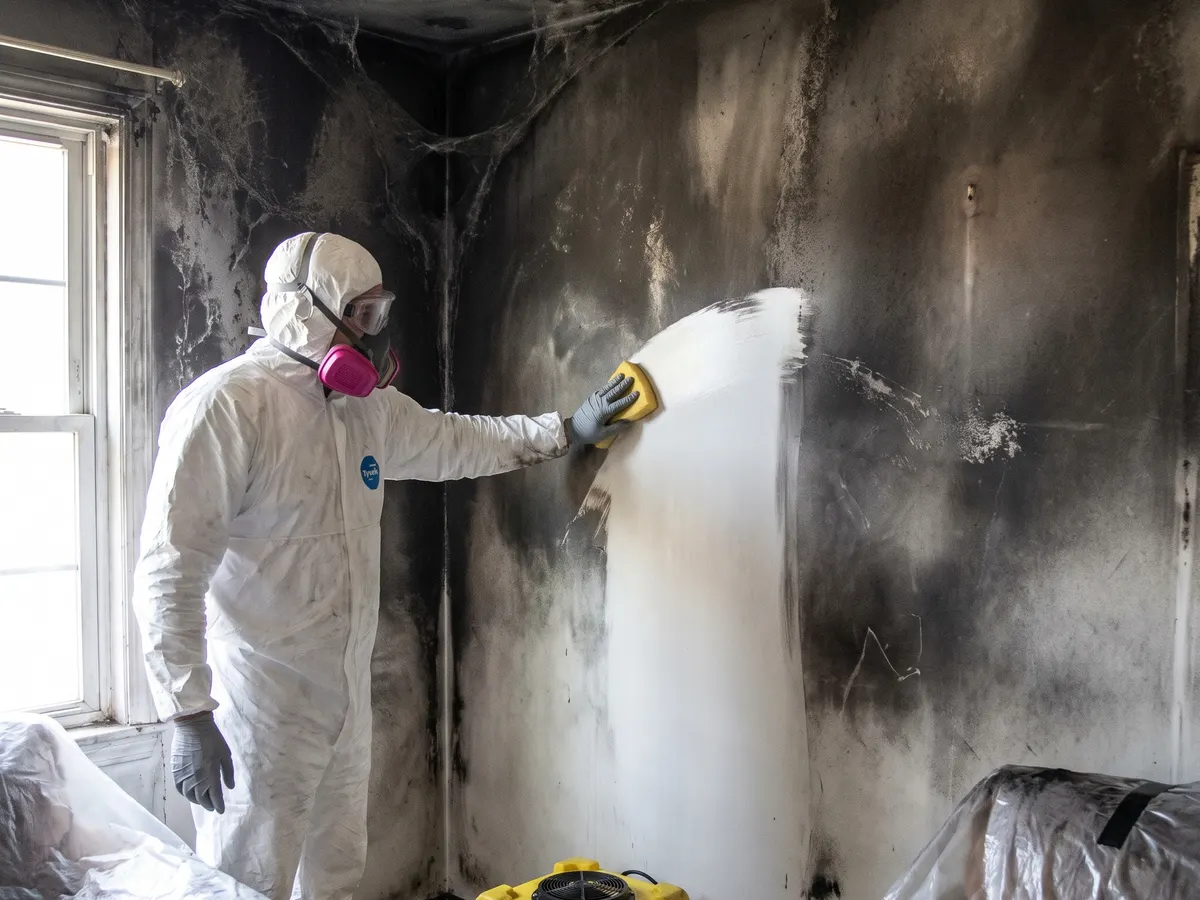
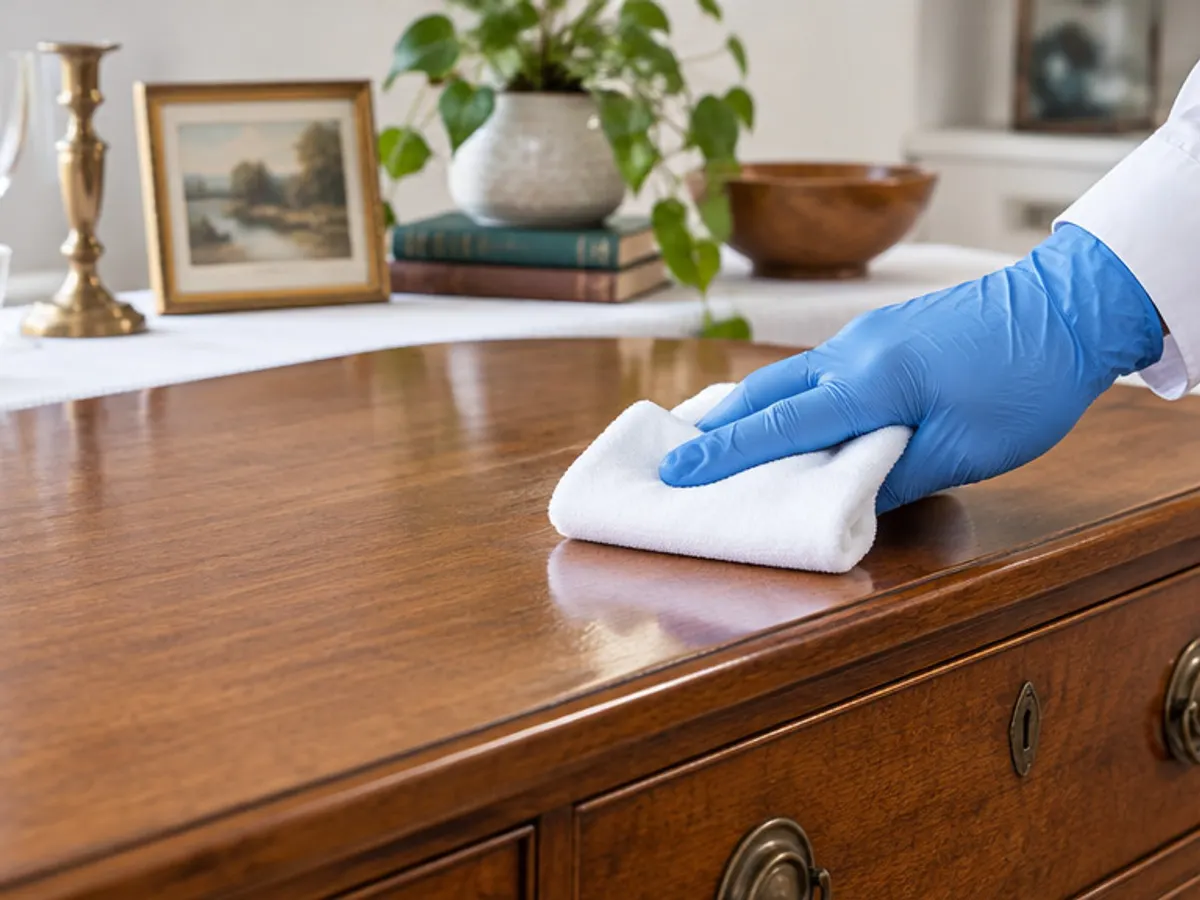
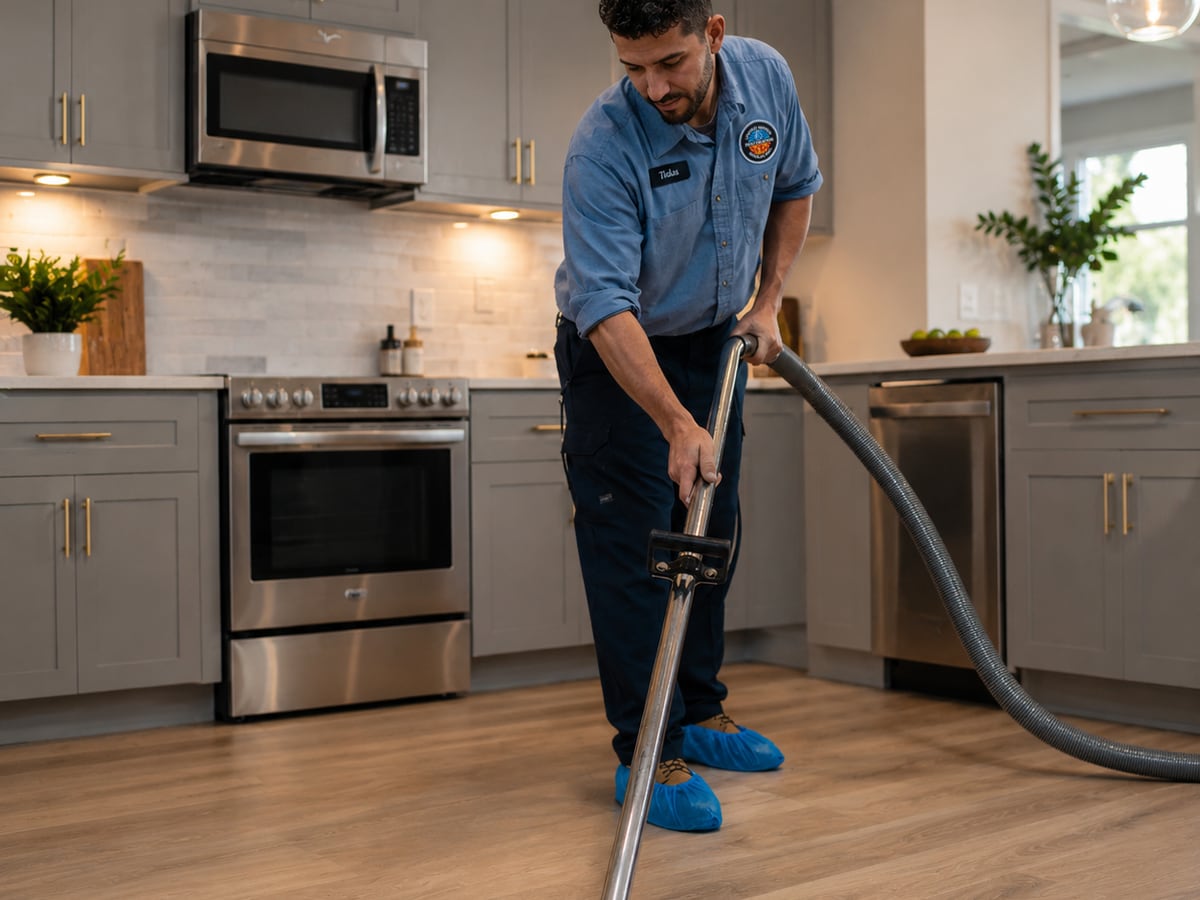
Contents work starts with an honest sort. Some things clean up better than people expect: hard goods, dishes, most furniture frames, and terrazzo that has been hiding under a ruined carpet for decades. Some things do not: mattresses, upholstered pieces that took heavy smoke, food, cosmetics, and anything with heat-distorted wiring. Electronics get evaluated rather than switched on, because acidic residue inside a case keeps working after the outside is wiped clean. Photographs and documents get handled first, since they are the items nobody can replace with a check.
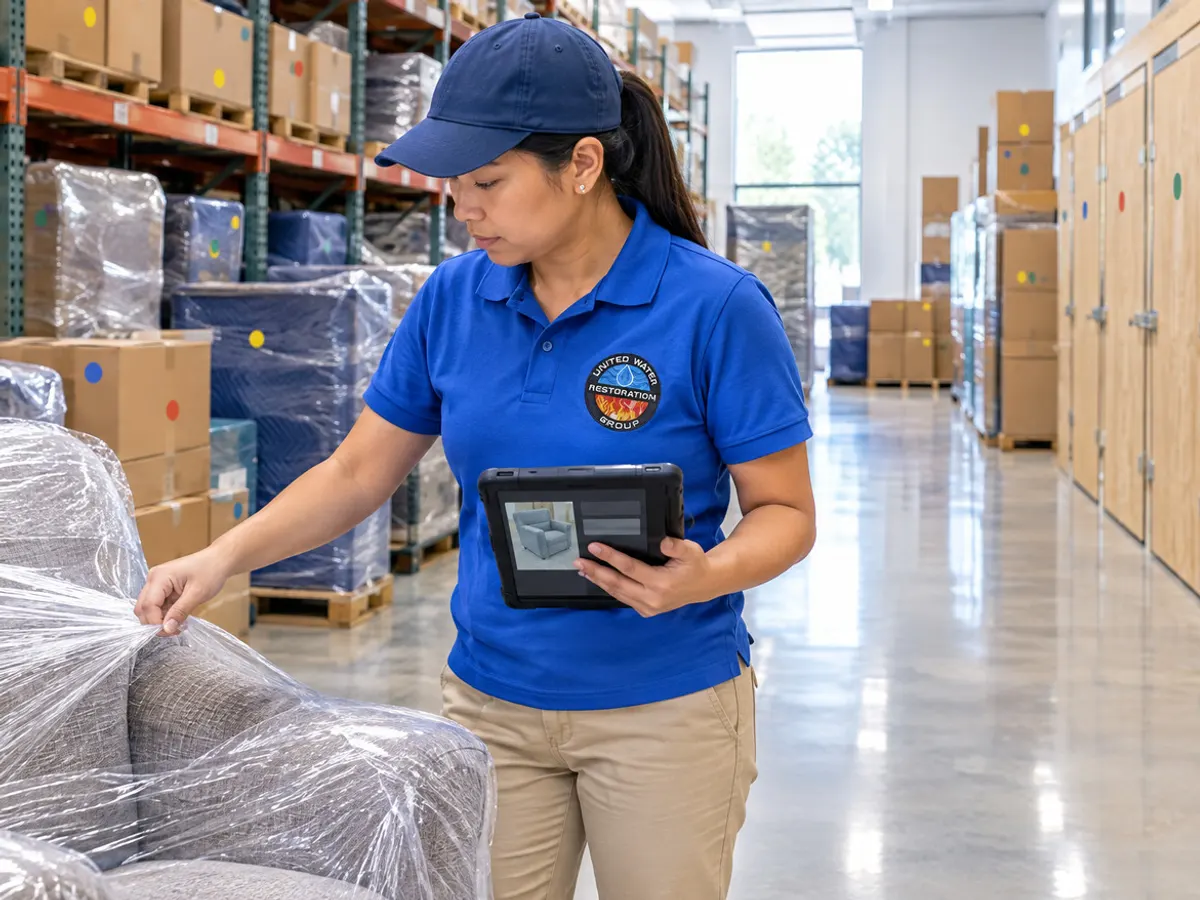
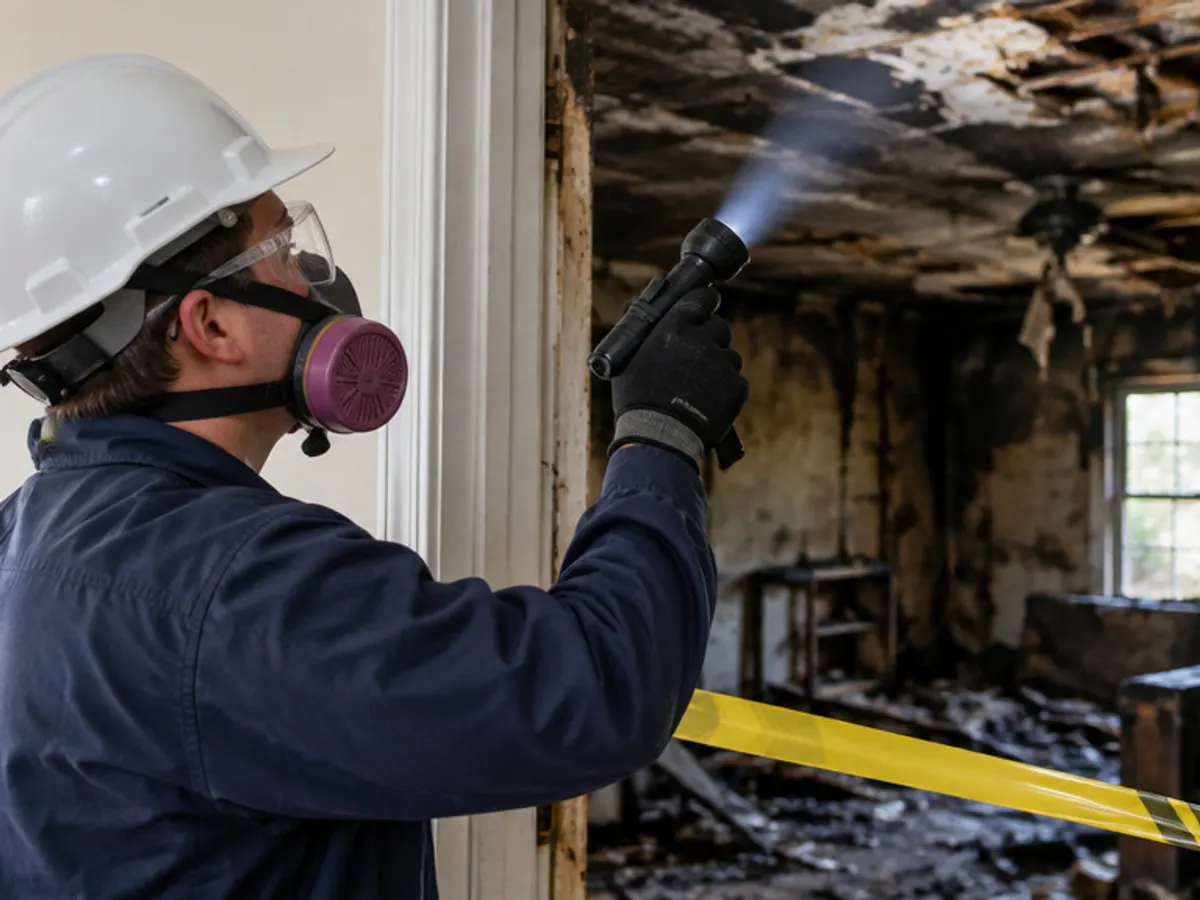
If the house is not livable, contents get inventoried, photographed, packed out, and cleaned off-site while the structure is worked. In the older stock — a Kenwood bungalow, a Dunedin Craftsman — original longleaf pine flooring and built-in cabinetry are worth the slower, more patient route instead of a tear-out, because they cannot be bought back.
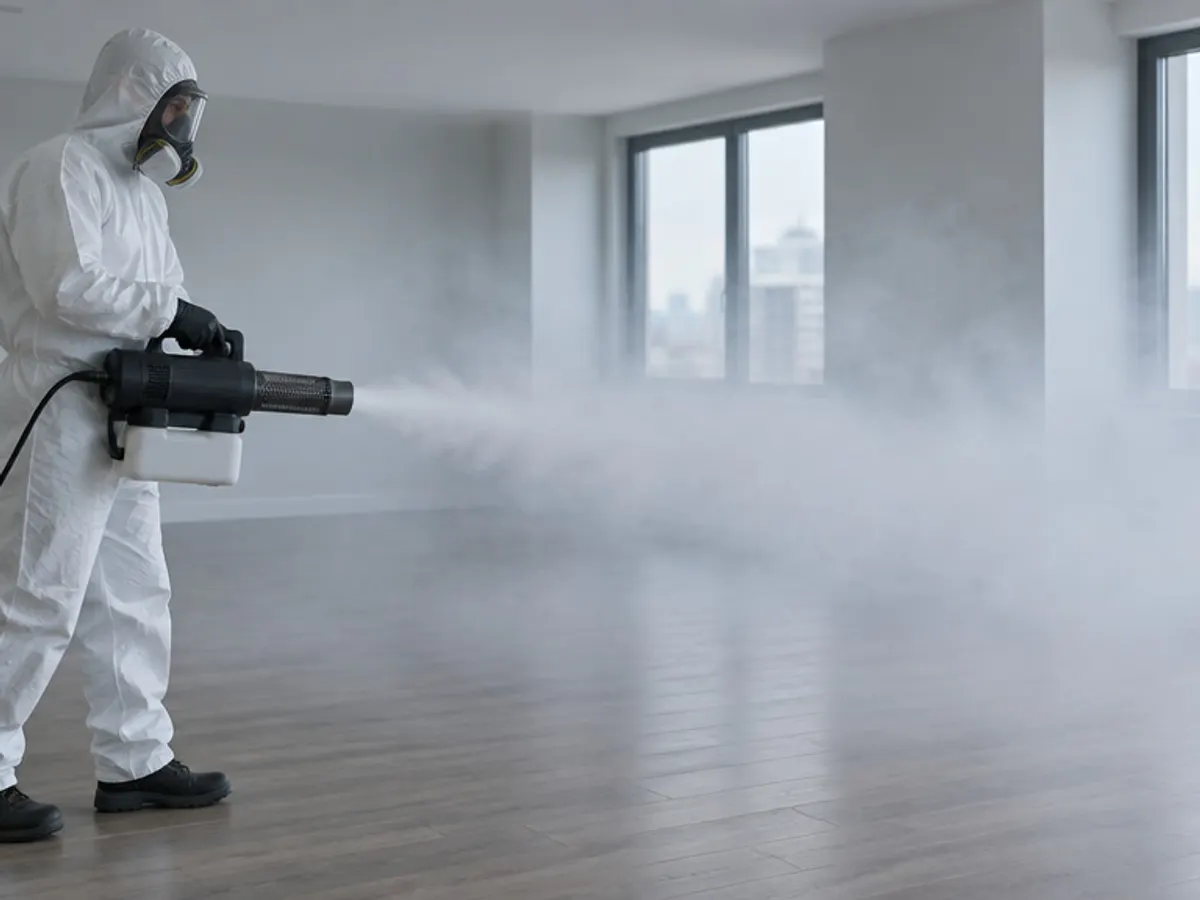
Almost one Pinellas housing unit in five sits in a building of twenty units or more, so a lot of these jobs are condos. There the unit owner and the association each own part of the problem, and shared walls, corridors, and a common duct system mean the smoke did not respect the unit line. We sort out who is doing what before anyone starts cutting.
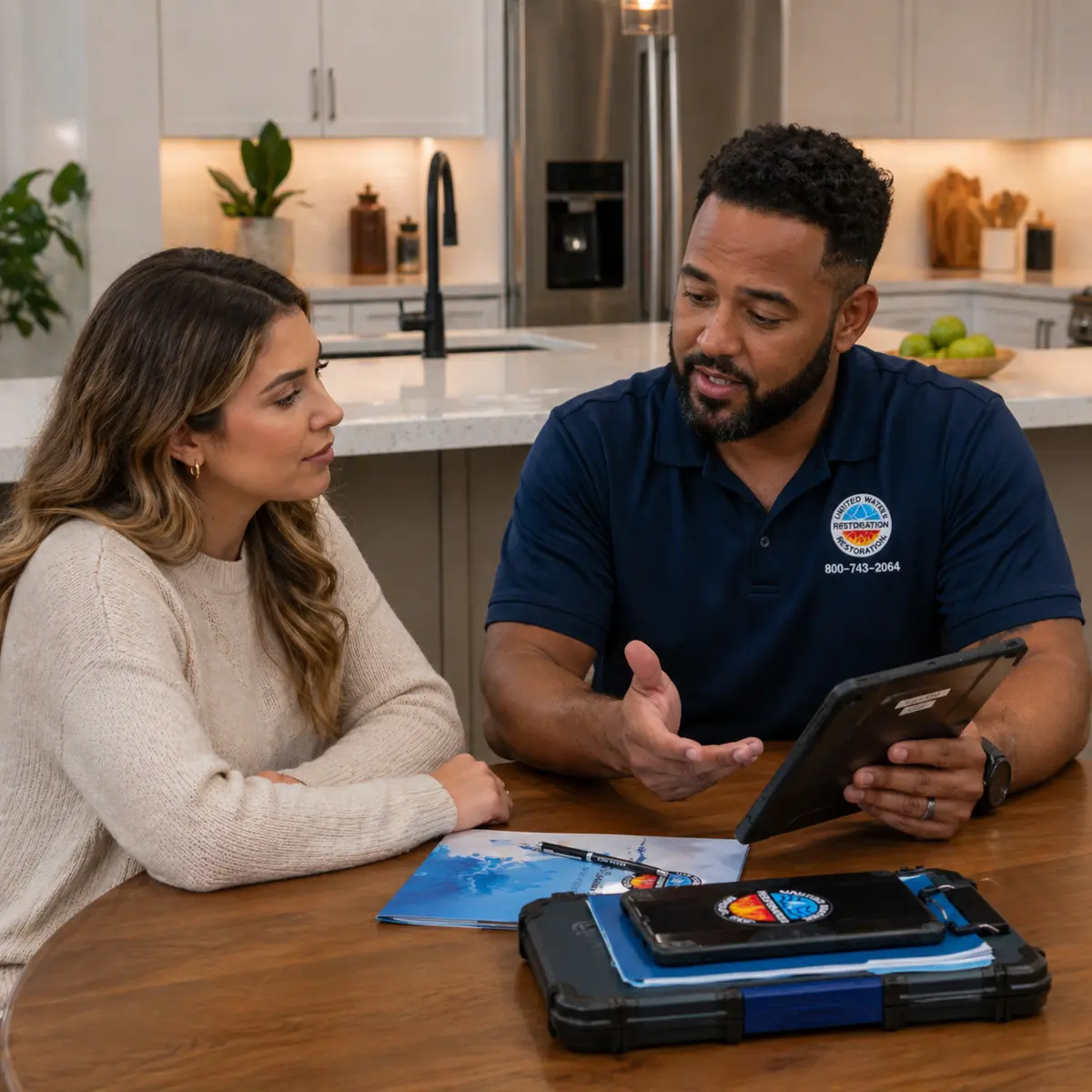
On the claim: Florida law bars a property insurance claim unless the insurer is notified within one year of the date of loss, with eighteen months for a supplemental claim, on policies effective on or after December 16, 2022. The insurer has its own clock — seven days to acknowledge, thirty to inspect, sixty to pay or deny. Since January 1, 2023, homeowners cannot assign post-loss benefits to a contractor, so you stay the claimant. We document thoroughly and give your adjuster what they ask for. We do not tell you what your policy will pay.