How Florida licenses mold work, and what to ask before you sign
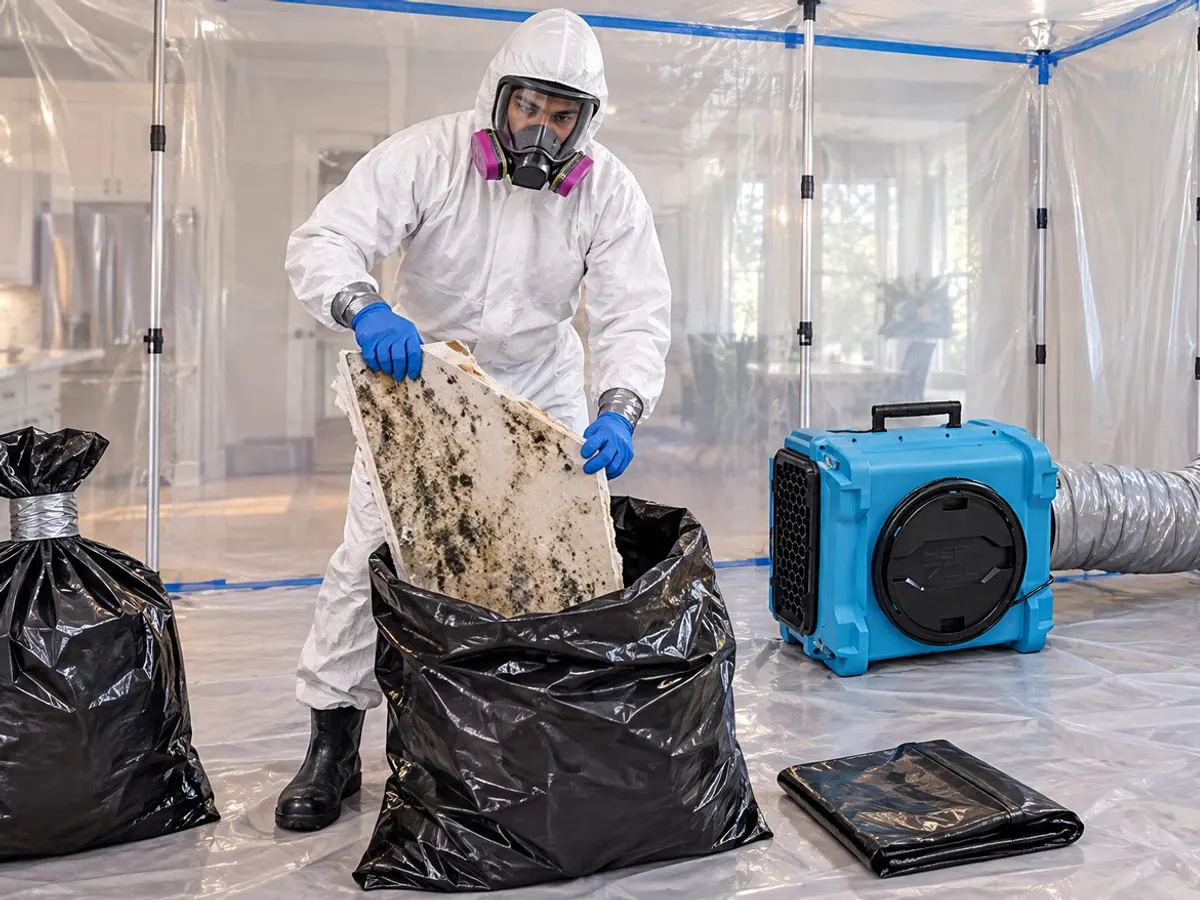
Florida regulates mold assessment and mold remediation as licensed professions under Chapter 468, Part XVI of the Florida Statutes, administered by the Department of Business and Professional Regulation. The licensing requirement attaches at more than 10 square feet of mold. That figure is written into the statutory definitions themselves, not buried in an exemption. EPA arrives at the same line from a different direction: below roughly 10 square feet, about a three-foot by three-foot patch, EPA says a homeowner can usually handle it. Above that, both the law and the guidance agree it has stopped being a weekend project.
One detail worth knowing before you call anybody: DBPR licenses individuals, not companies. "We are licensed" is not an answer. Ask for the license number of the person who will actually be on your job, and ask which of the two licenses it is, because the state treats assessment and remediation as separate work.
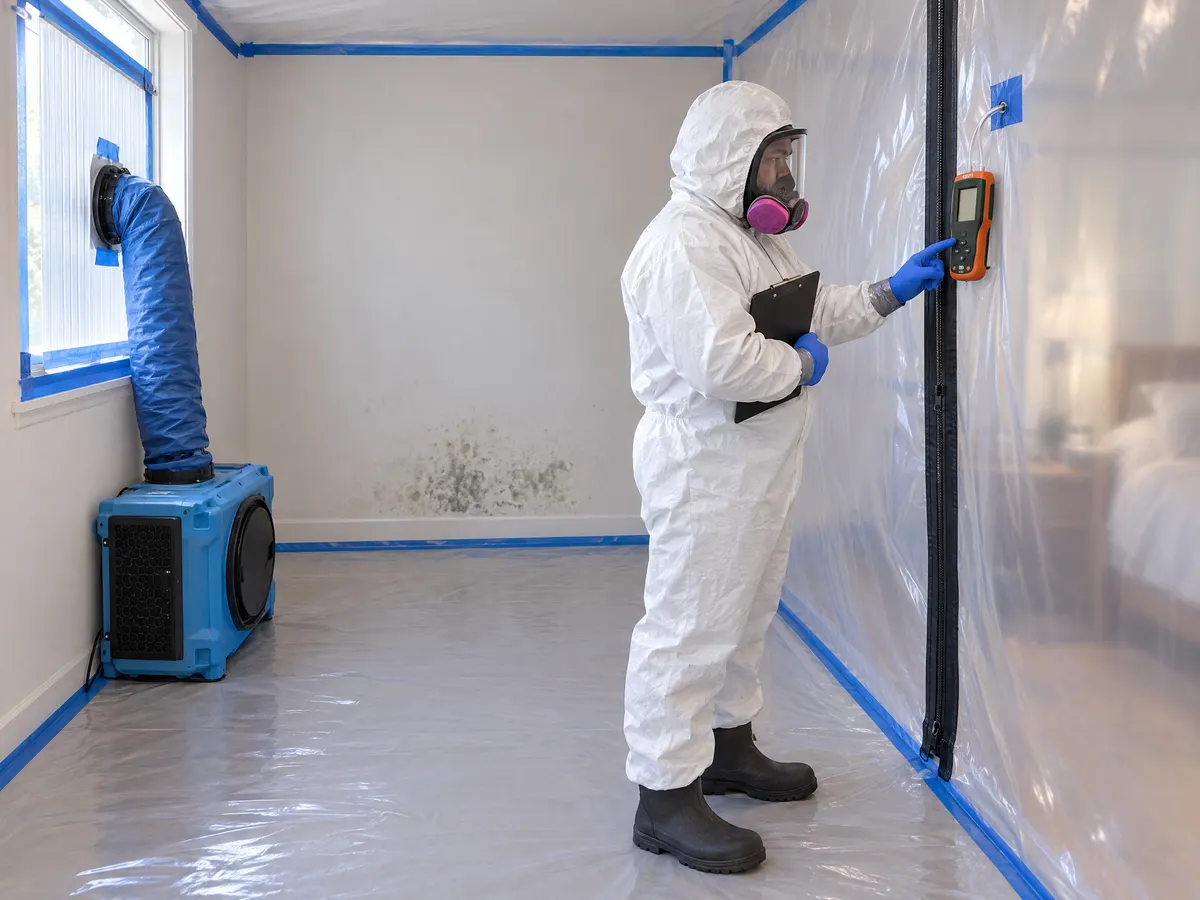
It also keeps them apart deliberately. Section 468.8419 bars a mold assessor, or the assessor's company, from remediating a structure it assessed in the previous 12 months, and bars a remediator from assessing a structure it remediated in the previous 12 months. There is an exception for certified Division I contractors where the remediation contract discloses your right to request competitive bids. The plain version: the company that tells you that you have mold generally is not allowed to be the company that sells you the removal.
The statute sets insurance floors too. A licensed assessor carries at least $1,000,000 in general liability and errors-and-omissions coverage. A licensed remediator carries at least $1,000,000 in general liability that specifically includes mold-related claims, so a policy with a mold exclusion does not satisfy it. And a remediation license is not authority to rebuild. Reconstruction requires a Chapter 489 contractor license. Ask who holds that one.