Where the odor hides in a 1970s block house
Every house hides odor somewhere different, and in this county the hiding places are predictable. The median Pinellas home was built in 1976, and about six in ten went up before 1980. That means concrete block with stucco outside, and inside, drywall that is not fastened to the block at all — it hangs on furring strips, with a narrow concealed cavity behind it.
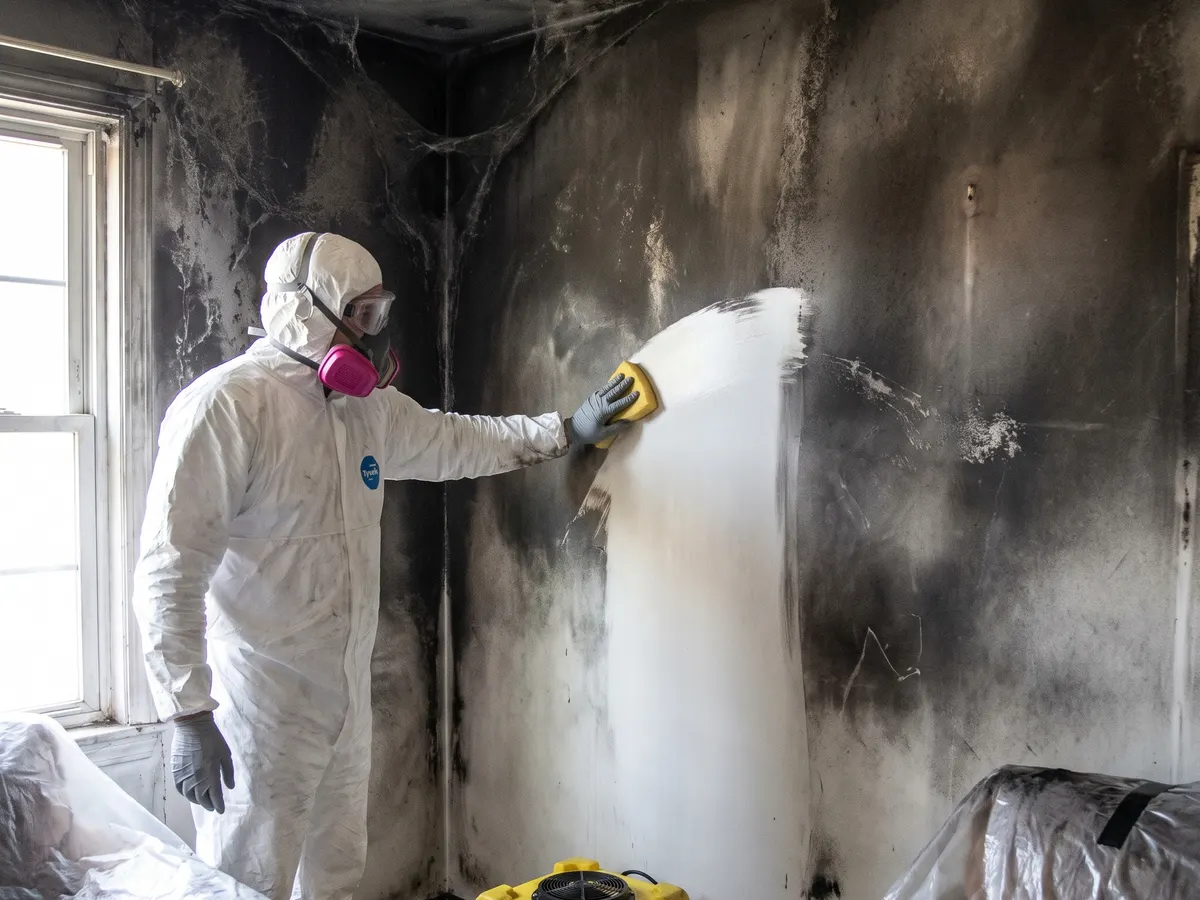
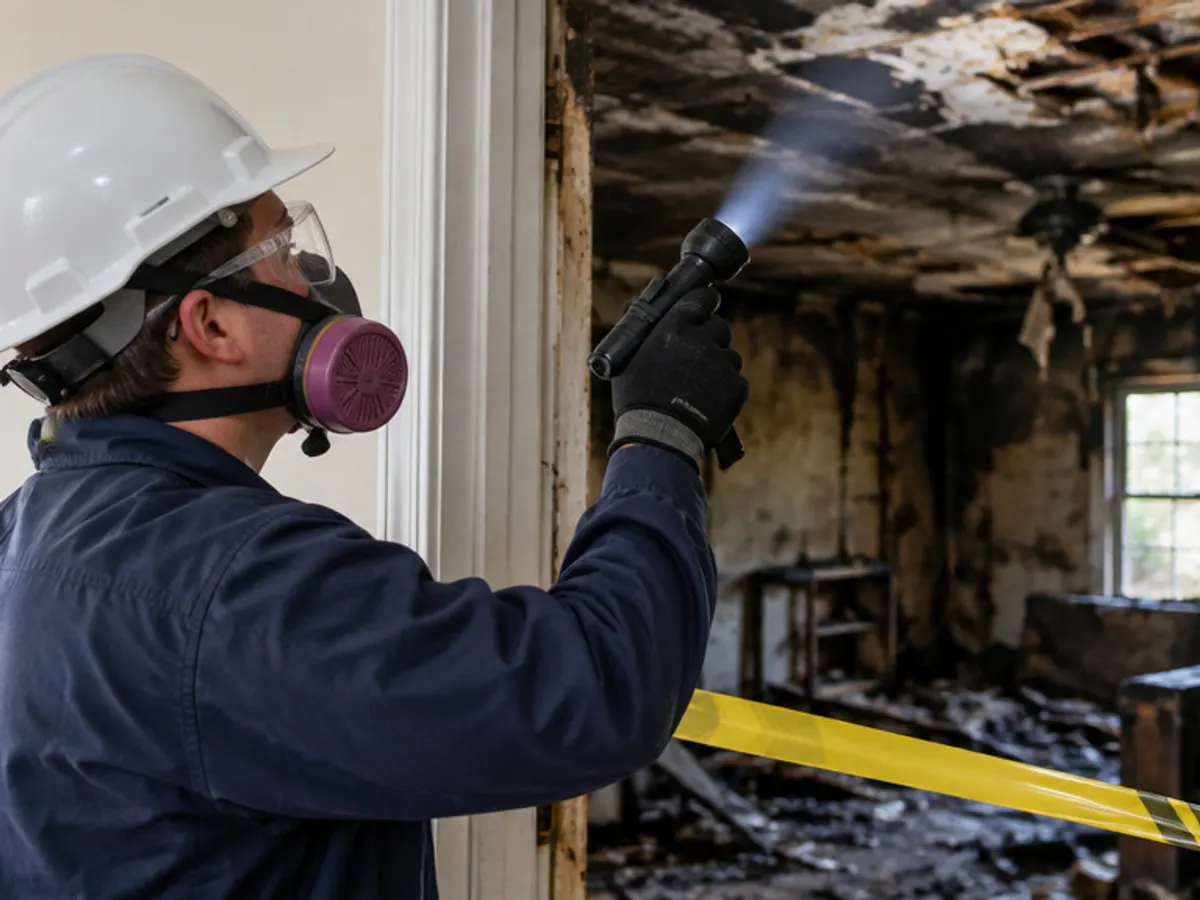
Smoke finds that cavity. It travels up behind the drywall, past the top plate, and into the attic, and no amount of washing the wall face reaches it. Where a fire put real smoke pressure into a room, the honest answer is often to pull the drywall, clean and seal the block, and rebuild — not because the drywall looks bad but because the back of it does.
Attics are the other reservoir. Blown insulation is a sponge with enormous surface area; once it has taken smoke, it keeps handing odor back down through can lights, the attic hatch and every ceiling penetration. Removing and replacing it is usually cheaper than chasing the smell for a year.
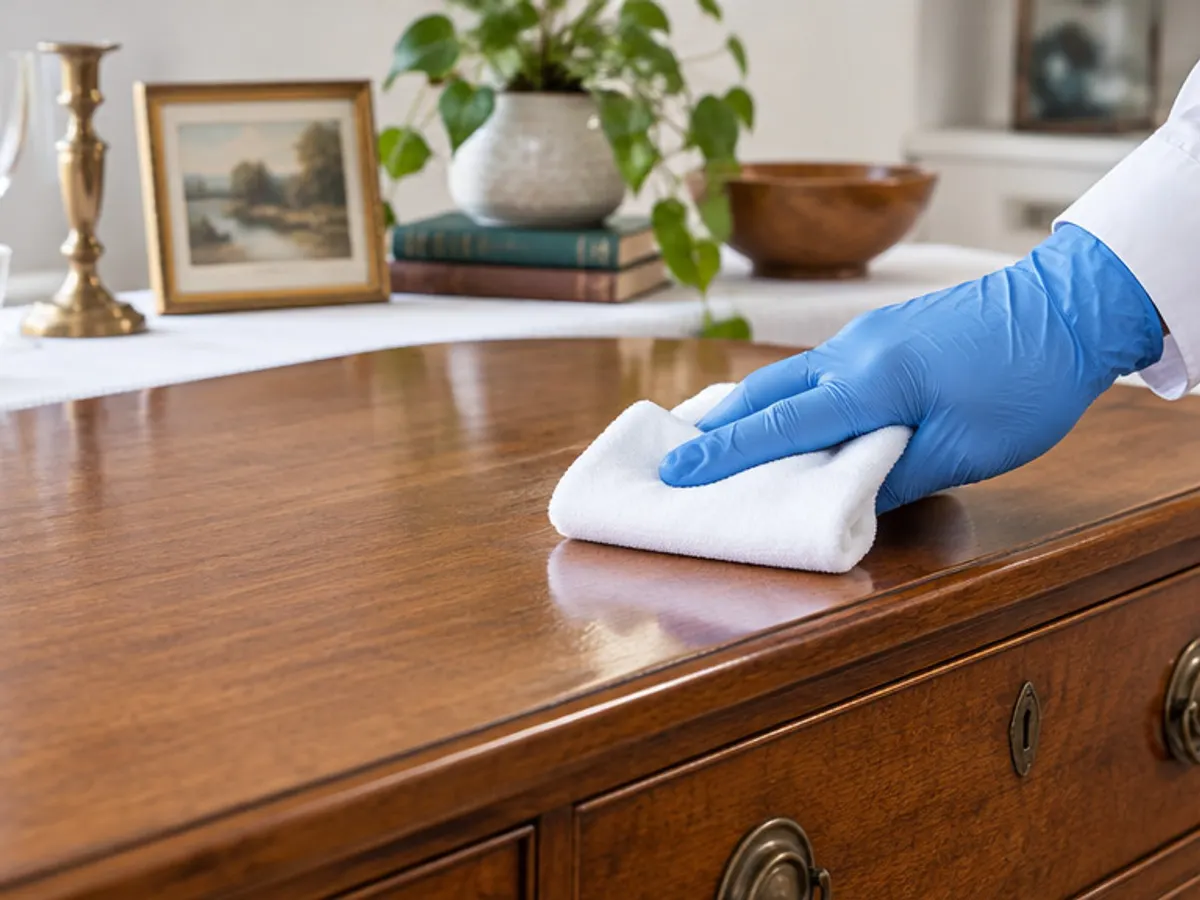
Older stock has its own rules. The frame bungalows in Historic Kenwood, Roser Park and downtown Dunedin have wood lath and plaster, longleaf pine floors and built-in cabinetry — porous, original, and irreplaceable. Those get slower, gentler cleaning, and the decision on what gets sealed versus what gets stripped is made piece by piece.
There is one genuine piece of good news, and it is common here. Terrazzo, poured across whole house footprints in the 1950s and 1960s, is essentially non-porous. Soot sits on top of it. Once the covering above it is out and the floor is cleaned and polished, a terrazzo slab that has been through a fire is usually fine — which is more than can be said for the carpet that was glued over it.